Album Covers Are More Than Images
An album cover isn’t just a picture.
It’s a feeling. A mood. A first impression that hits before the music does.
Great covers tell a story in silence.
They show who the artist is, what the sound feels like, and where the listener is about to go.
With the right prompts, ChatGPT can turn an uploaded photo into a professional, release-ready album cover—something that feels intentional, emotional, and real. Below are 20 carefully written prompts, each designed like a creative brief from a visual designer to an art director.
Use them. Remix them. Make them yours.
🎵 Album Cover Prompt Collection
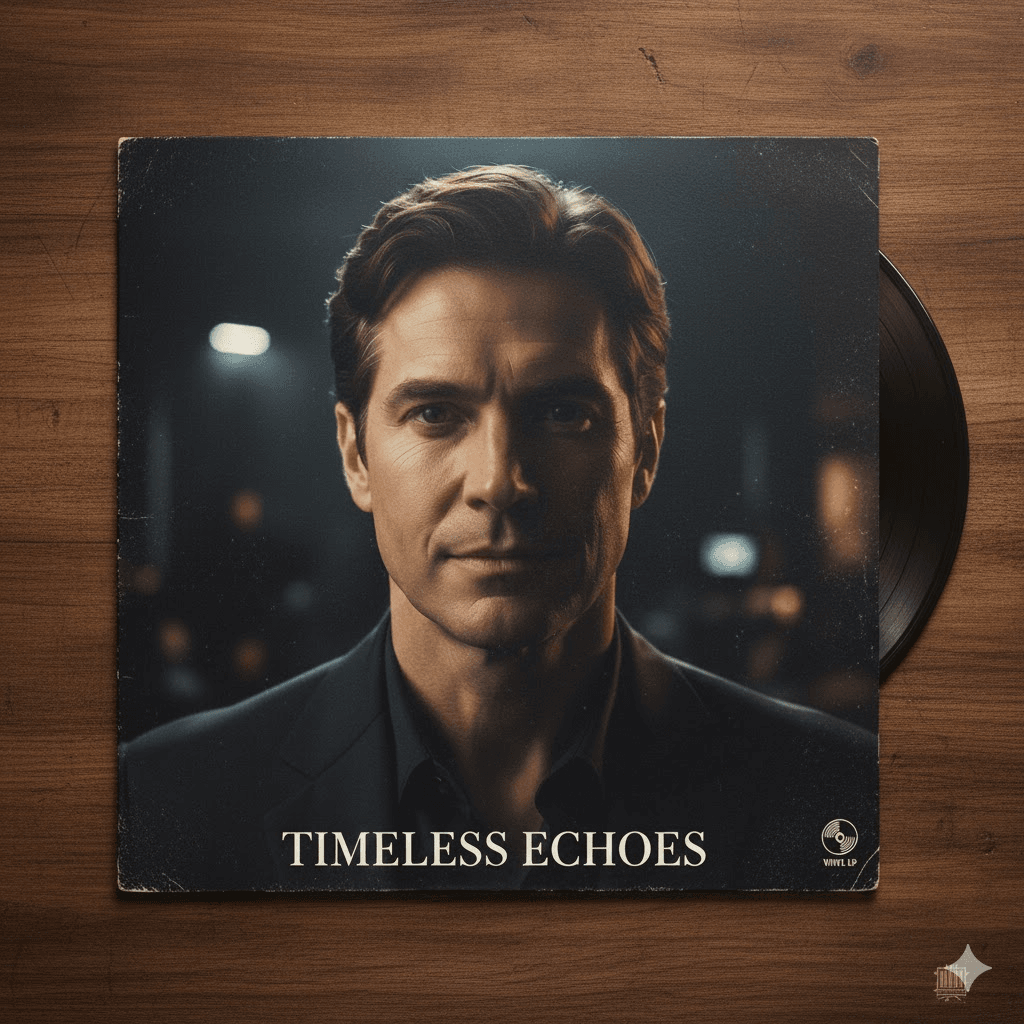
1. Vinyl Record Sleeve Album Cover
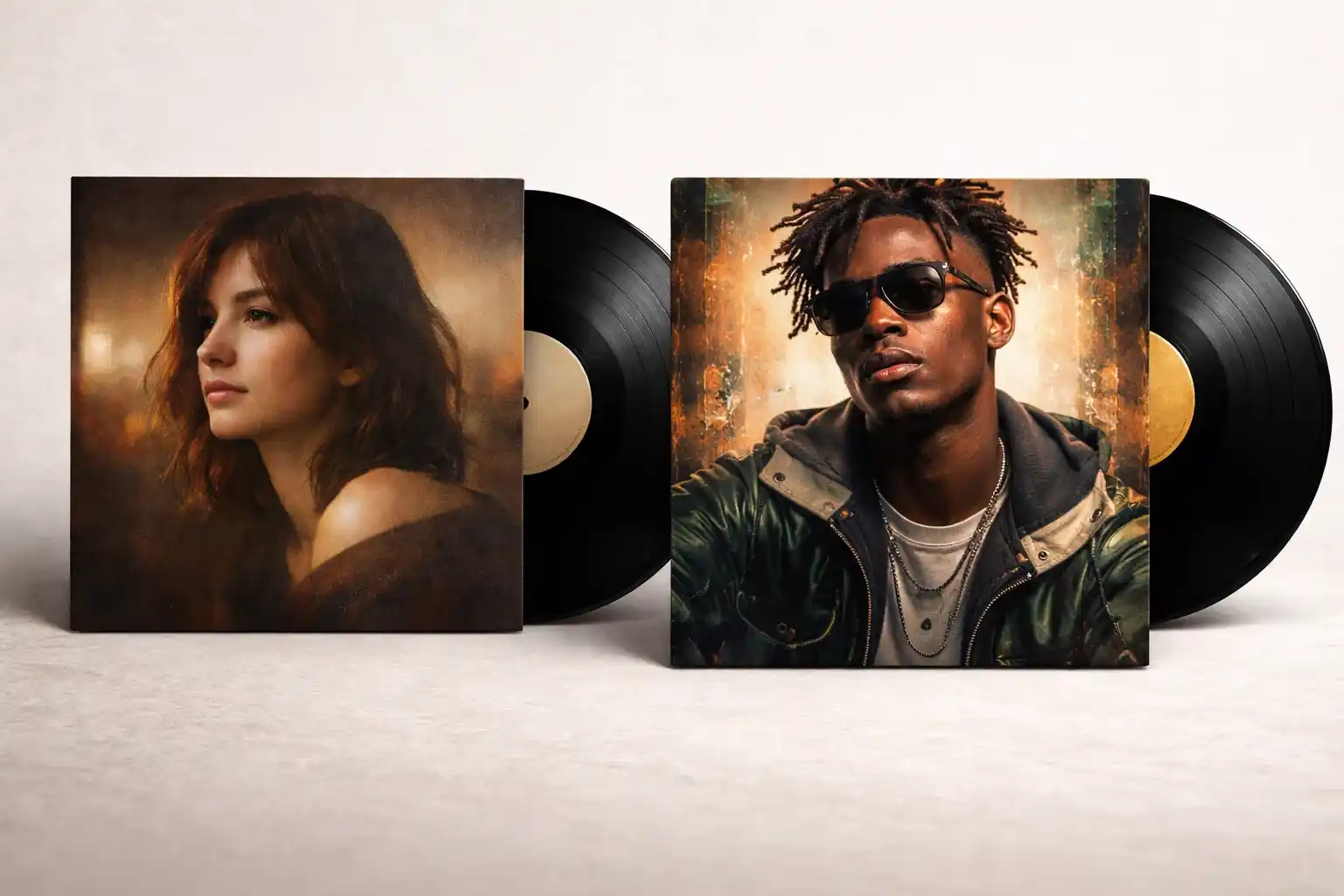
Using the provided image as reference, create an album cover displayed as a physical vinyl record sleeve resting on a textured surface. Preserve the subject’s facial features and realism. The composition should feel slightly off-center, like classic vinyl covers, with warm studio lighting and subtle shadows. Use rich colors with a gentle film grain texture. Add a bold but elegant album title in serif typography, placed confidently near the bottom. The mood should feel timeless, tactile, and made for collectors.
2. Minimalist Modern Album Cover
Using the provided image as reference, design a clean, minimalist album cover where the subject is framed with lots of negative space. Keep the background simple and soft. Colors should be muted and modern—off-white, beige, or pale gray. Typography must be small, minimal, and sans-serif, placed neatly at the edge. The texture should feel matte and smooth. The mood is calm, confident, and contemporary.
3. Glitter / Metallic Artistic Cover
Using the provided image as reference, create an artistic album cover where light and shimmer play a key role. Add subtle metallic or glitter textures without hiding the subject’s face or identity. Use gold, silver, or chrome highlights that feel artistic, not flashy. The background can be dark for contrast. Typography should be handwritten or expressive. The mood is bold, glamorous, and statement-driven.
4. Dark Moody Indie Album Cover
Using the provided image as reference, design a dark indie album cover with low-key lighting and deep shadows. Preserve natural skin tones while using cool, moody colors like deep blues, charcoal, and muted browns. Add light grain or texture for depth. Typography should be small, understated, and placed subtly. The mood should feel introspective, raw, and emotionally quiet.
5. Soft Romantic Acoustic Album Cover
Using the provided image as reference, create a soft, romantic album cover with gentle lighting and warm tones. The subject should feel close and personal, like a quiet moment captured on film. Use pastel or earthy colors. Texture should feel like fine paper. Add delicate handwritten or thin serif typography. The mood is intimate, emotional, and acoustic.
6. Bold Pop Music Album Cover
Using the provided image as reference, design a high-impact pop album cover with bright colors and confident composition. The subject should be centered and powerful. Use clean lighting, sharp focus, and vibrant color contrast. Typography should be bold, modern, and playful. The texture should be smooth and polished. The mood is energetic, catchy, and star-ready.
7. Hip-Hop Street-Style Album Cover
Using the provided image as reference, create a hip-hop inspired album cover with street energy. Use urban textures like concrete, grain, or subtle motion blur. The color palette should feel gritty—blacks, browns, muted reds. Typography should be bold, strong, and raw. The mood should feel confident, grounded, and unapologetic.
8. Jazz-Inspired Vintage Album Cover
Using the provided image as reference, design a jazz-style vintage album cover with warm tones and classic composition. Add soft shadows and film grain for an old-school feel. Use serif typography inspired by mid-century album covers. The texture should feel like aged paper. The mood is soulful, classy, and timeless.
9. Electronic Music Abstract Album Art
Using the provided image as reference, create an abstract electronic album cover where the subject blends gently with shapes, light streaks, or color waves. Keep the face realistic and recognizable. Use neon accents or gradients. Typography should be clean and futuristic. The texture should feel smooth and digital. The mood is modern, immersive, and experimental.
10. Cinematic Soundtrack-Style Cover
Using the provided image as reference, design a cinematic album cover that feels like a movie poster. Use dramatic lighting, wide composition, and rich shadows. Colors should be deep and atmospheric. Typography should feel cinematic—bold serif or film-style fonts. Add subtle texture like smoke or grain. The mood is epic, emotional, and story-driven.
11. Retro 90s Album Cover
Using the provided image as reference, create a 90s-inspired album cover with nostalgic colors and playful composition. Add light grain, faded tones, or soft blur. Typography can be bold or quirky, inspired by classic 90s design. The texture should feel slightly worn. The mood is fun, nostalgic, and expressive.
12. Luxury Fashion-Inspired Album Cover
Using the provided image as reference, design a luxury fashion-style album cover with clean composition and refined styling. Use neutral tones like black, cream, or beige. Lighting should be soft but dramatic. Typography should be elegant and minimal. Texture should feel premium and matte. The mood is high-fashion, confident, and exclusive.
13. Black-and-White Artistic Album Art
Using the provided image as reference, create a black-and-white album cover focused on emotion and form. Preserve facial detail and contrast. Use strong lighting to shape the face. Typography should be minimal and tasteful. Add subtle grain for depth. The mood is artistic, serious, and timeless.
14. Nature-Inspired Calm Album Cover
Using the provided image as reference, design a nature-inspired album cover with soft natural light and earthy colors. Blend the subject gently with outdoor textures like sky, leaves, or mist. Typography should be simple and organic. Texture should feel natural and breathable. The mood is peaceful, reflective, and grounded.
15. High-Energy Rock Album Cover
Using the provided image as reference, create a rock album cover with strong contrast and dramatic styling. Use dark tones with sharp highlights. Add rough textures like scratches or grain. Typography should be bold and loud. The mood is intense, rebellious, and powerful.
16. Experimental Artistic Concept Cover
Using the provided image as reference, design an experimental album cover that breaks traditional layout rules. Play with unusual framing, unexpected textures, or layered elements while keeping the subject realistic. Typography can be unconventional. The mood is creative, fearless, and artistic.
17. Handwritten Typography-Focused Cover
Using the provided image as reference, create an album cover where handwritten typography becomes the main visual element. Keep the subject clean and realistic. Use soft colors and paper-like texture. The handwritten title should feel personal and emotional. The mood is honest, intimate, and expressive.
18. Color-Gradient Modern Album Art
Using the provided image as reference, design a modern album cover using smooth color gradients. The subject should blend naturally into the gradient without losing identity. Typography should be minimal and modern. Texture should be clean and digital. The mood is fresh, stylish, and contemporary.
19. Emotional Portrait-Based Album Cover
Using the provided image as reference, create an emotional portrait album cover focused on expression and mood. Keep the composition tight and personal. Use soft lighting and muted colors. Typography should be subtle. The texture should feel natural and human. The mood is vulnerable, honest, and deep.
20. Collector’s Edition Vinyl Album Cover
Using the provided image as reference, design a premium collector’s edition vinyl album cover. Show rich textures like embossed paper, gold foil accents, or layered packaging. Keep the subject realistic and elegant. Typography should feel classic and refined. The mood is exclusive, archival, and timeless.
Final Thoughts
Album covers are a language of their own.
They speak before the music ever plays.
Use these prompts as creative starting points. Tweak the mood. Change the colors. Match them to your sound. With experimentation, your visuals can become as powerful as your music.
Create boldly. 🎶